

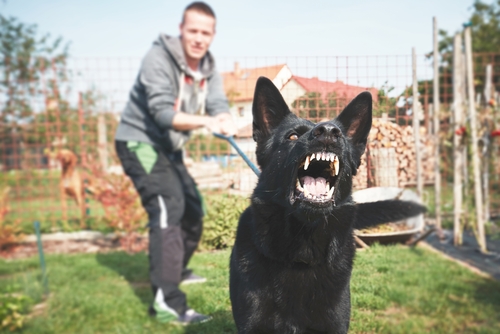
Yes, you may be able to sue after a dog bite in Texas. The facts of the attack, the dog owner’s or handler’s conduct, the dog’s known behavior, and the injuries you suffered can all affect whether you have a viable claim.
Texas does not have a general civil statute that automatically makes a dog owner liable whenever a dog bites someone. Depending on the circumstances, a claim may be based on the owner’s knowledge of the dog’s dangerous propensities or on negligent handling, restraint, or control of the dog.
At The Karam Law Office, we help Sugar Land dog bite victims understand whether they have a viable claim and what compensation may be available. If you were bitten by a dog, call (281) 302-5272 to schedule a free consultation.
When Can You Sue for a Dog Bite in Texas?
Whether you have a viable dog bite claim depends on the facts of the attack, the evidence available, and the injuries and losses you suffered.
The Owner Knew or Had Reason to Know the Dog Had Dangerous Propensities
One potential basis for liability is whether the owner knew or had reason to know that the dog had dangerous qualities. A prior bite or attack can be relevant evidence, but it is not the only evidence that may show the owner knew or had reason to know of dangerous tendencies.
The Owner, Handler, or Keeper Acted Negligently
A dog bite claim may also be based on negligence. For example, an owner, handler, or other person with control of the dog may be liable if they failed to use reasonable care to restrain or control the dog and that failure caused the injury.
A Leash Law or Animal-Control Rule Was Violated
If the owner or handler violated an applicable local leash law, restraint requirement, or animal control ordinance, that violation may support a negligence claim. Whether an ordinance violation establishes negligence in a particular case depends on the rule, the circumstances, and the evidence.
The Attack Caused Injuries and Losses
Beyond establishing fault, a viable claim also requires showing that the attack caused actual injuries and resulting losses, such as medical expenses, lost income, or pain and suffering. To recover damages, an injured person generally must show that the attack caused compensable harm. Medical records, photographs, witness statements, and other documentation may help establish the nature and extent of the injuries.
Does Texas Have a One-Bite Rule?
Texas’s common law approach to dog bite liability is often called the ‘one-bite rule.’ Under this framework, an owner or possessor may face strict liability if they knew or had reason to know the dog had dangerous propensities.
The phrase can be misleading because a prior bite is not the only possible evidence of a dangerous propensity. In addition, an injured person may have a separate negligence claim based on how the dog was handled or restrained, even if the owner did not know the dog had previously bitten someone
Can You Sue if the Dog Has Never Bitten Anyone Before?
Potentially, yes. A prior bite is one way to establish an owner's knowledge of dangerous tendencies, but it isn't the only way. Evidence of prior aggressive behavior, such as lunging, snapping, attempted bites, or other conduct suggesting a risk of attack, may help show that an owner knew or had reason to know of the dog’s dangerous propensities. Separately, evidence that the dog was negligently handled or restrained may support a negligence claim.
How Bad Does a Dog Bite Have to Be to Sue?
There's no fixed severity threshold that determines whether you're allowed to sue after a dog bite. That said, the practical value of pursuing a claim often depends on the extent of your injuries and losses.
Injuries and losses that may support a dog bite claim can include:
- Deep lacerations requiring stitches or surgery
- Infections resulting from the bite
- Permanent scarring or disfigurement
- Nerve damage
- Psychological injuries, including anxiety, fear, or trauma, when supported by the evidence
Why You Should Seek Medical Care After Any Bite
Consider seeking prompt medical evaluation after a dog bite, even if the injury appears minor. A health care professional can assess the wound, evaluate the risk of infection, and determine whether treatment such as wound care, antibiotics, or a tetanus update may be appropriate. Medical records may also help document the injuries, treatment, and connection between the bite and the harm claimed in a later insurance claim or lawsuit.
Who Is Liable When a Dog Bites Someone?
Depending on the facts, a claim may involve the dog’s owner, a person who possessed or controlled the dog, or, in limited circumstances, a landlord or property owner.
Landlord liability is not automatic. It may depend on factors such as whether the attack occurred in a common area under the landlord’s control, whether the landlord knew or should have known about the particular dog’s dangerous propensities, and whether the landlord had the ability to address the danger.
What Compensation Can You Sue for After a Dog Bite?
Depending on the facts of the case, an injured person may seek compensation for medical expenses, lost income, physical pain and mental anguish, physical impairment, disfigurement, and other legally recoverable losses.
What Could Prevent You From Recovering Compensation?
Allegations That You Provoked the Dog: If the owner or insurer alleges that you provoked the dog, that allegation may affect how fault is evaluated. Depending on the facts, it may reduce or prevent recovery.
Trespassing or Being on the Property Without Permission: Being on property without permission may affect a claim, but it does not automatically prevent recovery. The effect of trespass depends on the legal theory, the property owner’s or dog handler’s knowledge, the circumstances of the attack, and other facts.
Disputes About the Dog’s Prior Behavior: In a claim based on a known dangerous propensity, an owner may argue they had no reason to know the dog posed a risk. Evidence of prior aggression, attempted bites, complaints, or other relevant conduct may become important.
Disputes About the Cause or Severity of Your Injuries: An insurance company may dispute whether your injuries were actually caused by the dog bite, or may argue that your injuries are less severe than claimed, making thorough medical documentation essential to protecting your claim.
Should You Sue for a Dog Bite?
Not every dog bite incident requires a lawsuit, but some situations warrant a closer legal review. A legal review may be particularly helpful when a bite required medical treatment, caused an infection, resulted in scarring or disfigurement, caused lost time from work, led to lasting physical or psychological effects, or is disputed by the owner or insurer.
When an Insurance Claim May Resolve the Matter
In some cases, an insurance claim may resolve the matter without a lawsuit. Whether coverage is available and whether an insurer is willing to resolve the claim fairly depends on the policy, the facts of the attack, the injuries, and any dispute about liability.
Because every dog bite situation involves its own specific facts, a case review with an attorney can help you understand whether your situation calls for a simple insurance claim, a more involved negotiation, or formal litigation.
How Does a Dog Bite Lawsuit Work in Texas?
A dog bite claim may be resolved through an insurance settlement, but some cases proceed to a lawsuit. If a lawsuit becomes necessary, the process generally includes:
- Investigating the attack: An attorney may gather available evidence, such as medical records, photographs, witness information, animal-control reports, prior-bite evidence, and insurance details.
- Evaluating liability: The case may turn on whether the owner knew or should have known the dog had dangerous tendencies, whether the owner acted negligently, and whether any defenses may apply.
- Filing a lawsuit: If the claim cannot be resolved through negotiations, the injured person may file a formal petition against the responsible party or parties.
- Discovery: The parties exchange information and evidence through written discovery, document requests, depositions, and other procedures allowed by the court rules.
- Settlement negotiations: The parties may continue trying to resolve the case at different points during the lawsuit, including through mediation.
- Trial, if necessary: If the parties do not reach a settlement, the case may be decided by a judge or jury.
Not every dog bite case follows every step, and the timeline depends on the injuries, available evidence, insurance coverage, and whether liability is disputed.
How Long Do You Have to File a Dog Bite Lawsuit in Texas?
Under Texas Civil Practice and Remedies Code § 16.003, a personal injury lawsuit generally must be filed within two years after the cause of action accrues. For many dog bite cases, that deadline begins on the date of the injury.
Exceptions can affect the deadline in some cases. Do not assume the general two-year period applies to your situation without having the facts reviewed promptly.
How The Karam Law Office Can Help After a Dog Bite
Jacob Karam is a trial lawyer who represents people injured in serious accidents and prepares cases for the strongest possible outcome based on the facts and circumstances involved. The Karam Law Office can evaluate your claim, help identify available evidence, explain potential liability issues, and pursue compensation for legally recoverable losses. Depending on the facts, a dog bite claim may also involve premises liability, insurance coverage, or other personal injury issues.
Contact The Karam Law Office at (281) 302-5272 today to discuss your case.